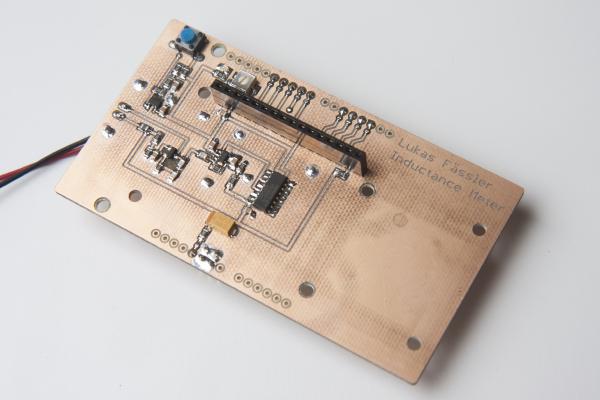
In late 2014 and early 2015 I had posted a short series on an inductance meter project. The first post in that series described an Arduino shield that allowed an Arduino UNO to do inductance measurements and got this blog mentioned on dangerousprototypes.com for the very first time.
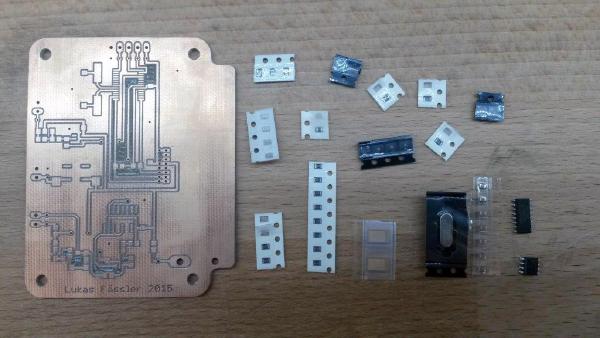
In a recent post I’ve offered a free PCB on a first-come first-served basis. I’ll be happy to mail the board together with some components to Mumbai, India tomorrow. It goes to Parth Sane, a student, homebrewer and soon-to-be ham radio operator.
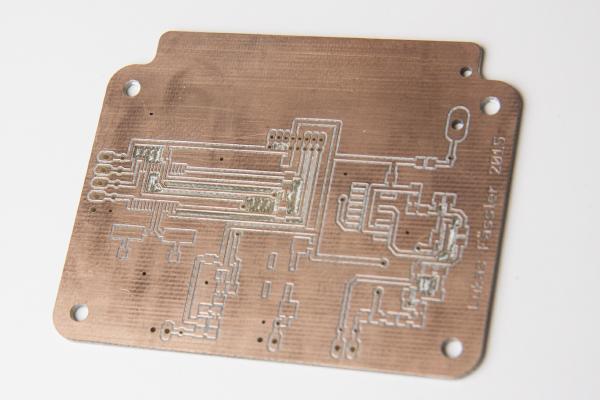
When I made the PCB for the stand-alone inductance meter, I erroneously used a SSOP footprint for the microcontroller (instead of the desired SOIC). The PIC is available in a SSOP package (PIC16F1963-I/SS instead of PIC16F1936-I/SO) but I didn’t have any at hand so I simply made a new board with a SOIC footprint.
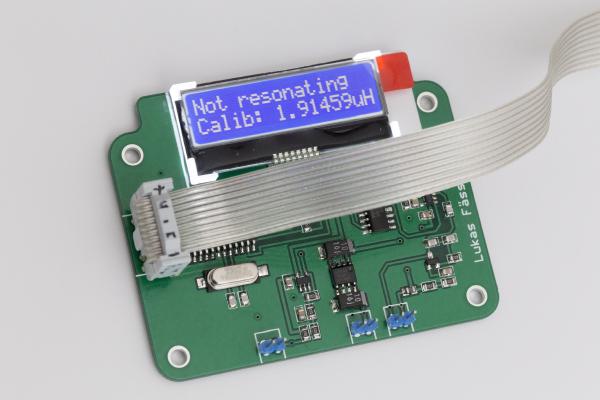
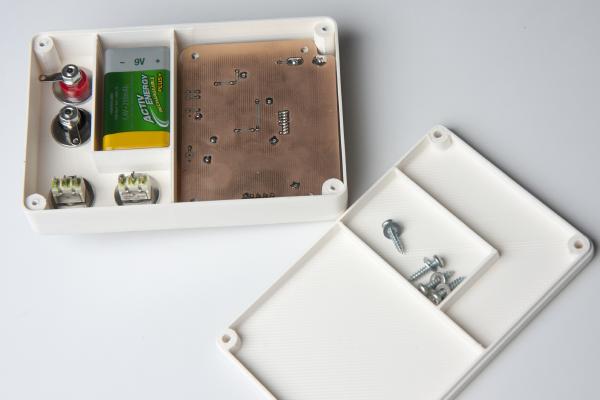
If you’ve read my last post you’re already familiar with my Inductance Meter project: /posts/stand-alone-inductance-meter/. At that time the hardware was ready but there was no software yet. That’s been corrected, the inductance meter is now fully functional.
Some of you may have seen my arduino-based inductance meter in this post: /posts/arduino-based-inductance-meter/. The guys at dangerousprototypes.com picked it up (http://dangerousprototypes.com/2014/12/16/arduino-based-inductance-meter/) and this blog got more visitors than I could ever have imagined. Thanks, dangerousprototypes.
Incuctance meter in action. It displays the resonance frequency together with the inductance I’ve just finished a little Arduino project. It’s a shield for the Arduino Uno that lets you measure inductance. This is a functionality that I found missing in just about any digital multi meter. Yes, there are specialized LCR meters that let you measure inductance but they typically won’t measure voltages or currents. So I had to build my inductance meter myself.