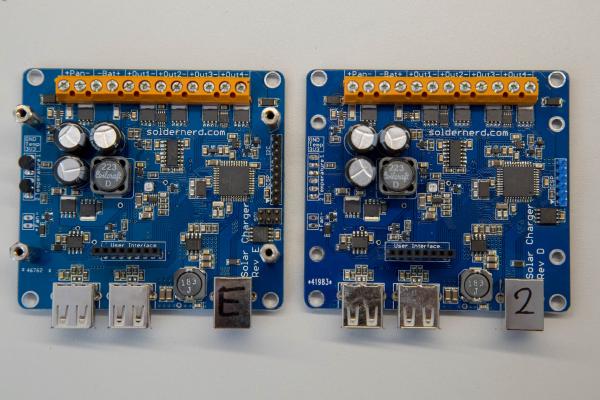
Looks almost like the first version
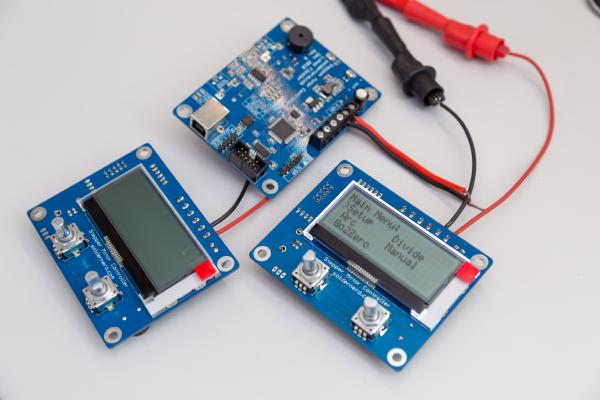
This board may look familiar to some of you. Because at first glance, it looks just like its older brother described here: Dividing Head Controller. But many things have been improved in Revision B.
The Universal Interface
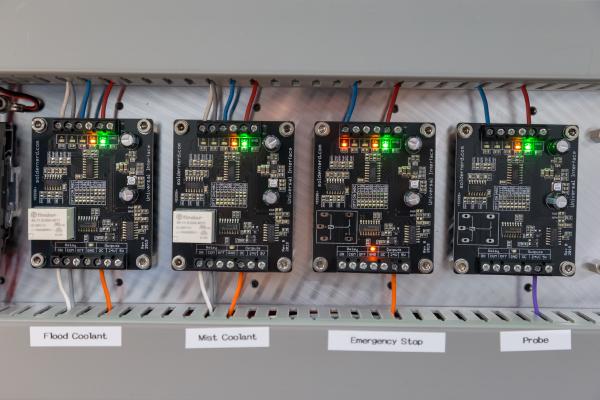
It’s time to present a relatively simple yet useful device: the Universal Interface. The need for this little helper arised when building the control for my CNC milling machine. But that’s a major project that I will introduce another time. Today it’s only about this little board.
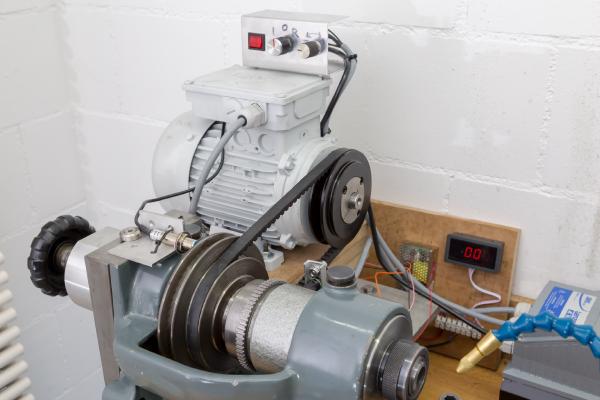
I’ve just finished the variable-frequency drive (VFD) for my 1970s Schaublin 102 lathe. Before I dig into details, there’s a youtube video here:
This post ist about the CNC conversion of a manual dividing head aka indexing head. If you’re not familiar with that kind of equipment, there’s a wiki page here. One makes use of interchangeable indexing plates and and the internal worm gear to accurately divide the circle. Parts like cogwheels and the like can be machined this way. A video of the finished project can be found here on my youtube cannel.
Let’s start with a video. It will tell you most of what I’m going to write about today.
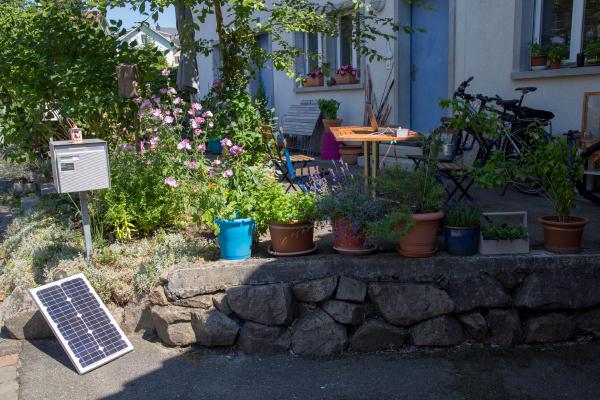
I’m delighted to tell you that my MPPT Solar Charger has been nominated for this year’s Hackaday Prize Finals taking place on October 22nd. I’ve submitted it in the Power Harvesting Challenge (link no longer available) category a while ago and was just informed that it was picked as one out of twenty projects submitted to the finals. Check out the original article here. Of course, any support is highly appreciated.
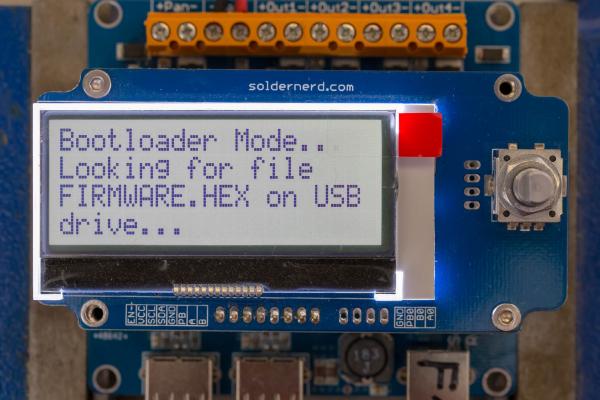
While the solar charger was originally intended to be used as a standalone device, it can just as well be integrated into other projects. In such applications, the user interface can be left away without sacrificing functionality other than the display and rotary encoder.
It’s been almost two years since I did (or at least started) this project but I never sat down to document it. That’s what I want to do today. As the title says it’s about a little robot based on a RaspberryPi. Like many of its kind it is driven by a pair of stepper motors each driving a wheel directly attached to the respective motor axis. At the back there is another smaller, pivotable wheel to keep the robot in balance.
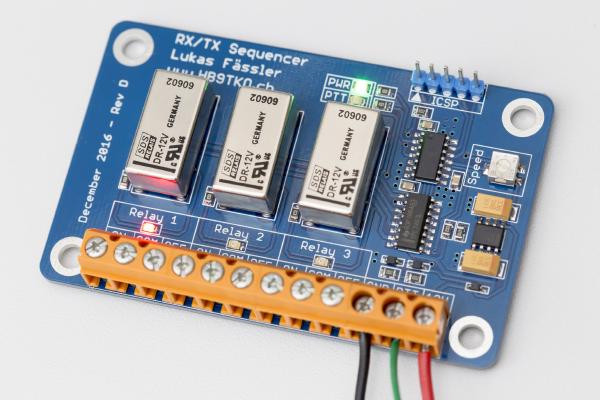
Much like the beacon keyer presented here earlier, this RX/TX sequencer is a simple but useful little device. Its typical use is in ham radio applications when a separate power amplifier (PA) and/or a sensitive low-noise pre-amplifier (LNA) is used. Care has then to be take to safely transition between RX and TX states - and that’s where this sequencer comes in.
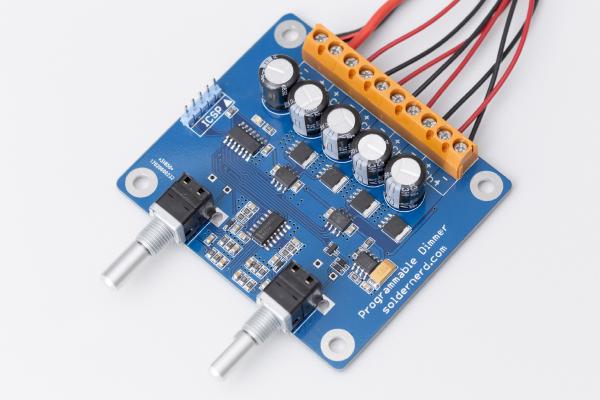
Around one and a half years ago I’ve designed and built various LED dimmers for both white and RGB LEDs. Then late last year someone approached me asking if I could make an RGB dimmer for him, too. But my designs were really tailored to their specific applications and built with home-made, i.e. milled PCBs which are time-consuming to make. So I decided to make a more universal version based on a proper, etched board which could be built in a small series and used for all kind of applications, both white and RGB. The result is this versatile, programmable 4-channel dimmer.